What Can Go Wrong When Buying Property in Spain?
Whenever someone asks me whether buying property in Spain is safe, I always give the same answer: yes, but only if you know where the pitfalls are. The market is transparent, the legal system works, notaries are reliable — and yet every year I see buyers falling into exactly the same traps. Not because they were careless. Simply because nobody told them what to look for.
Before You Start Viewing — First Understand the Market
The number one mistake I see my clients make is actually quite simple: they start looking at properties before they understand the market they're stepping into. Spain isn't one market. It's dozens of different worlds.
Property taxes, planning regulations, short-term rental rules — all of these work differently in Andalusia, differently in the Balearics, differently on the Costa Blanca. Some towns are already restricting new tourist licences, which directly affects how much you can earn from rentals. If you're buying with income in mind — and many of my clients are — you need to check the regional regulations before you fall in love with a particular apartment.
This isn't scaremongering. It's just common sense.
How Much Does Buying a Home in Spain Really Cost?
My clients often come to me with a specific figure in mind. They say: "Kasia, I've got 300,000 euros and I want a place on the Costa Blanca." I then have to gently explain that 300,000 is the property price — not the total cost of buying.
The total acquisition costs in Spain run from 10% to 15% of the purchase price. These include property transfer tax (ITP) for resale properties, VAT and stamp duty for new builds, notary fees, land registry fees, legal fees, valuation costs, and bank charges if you're taking out a mortgage.
On top of that, there are ongoing costs that nobody tends to mention at the start:
- annual property tax (IBI)
- community fees
- non-resident income tax
- insurance and maintenance costs
Add all of this up before you sign anything. Seriously — before.
NIE and a Bank Account — Two Documents Without Which Nothing Moves
I remember a client who was ready to buy, had found the property he wanted, agreed the price — and then it turned out he didn't have a NIE number. The whole process ground to a halt. The deadline passed. Someone else bought the property.
The NIE, or Número de Identidad de Extranjero, is the tax identification number required for every property transaction in Spain. Without it, you cannot complete a purchase at the notary, register utilities, or pay property taxes. It's not optional. It's a prerequisite.
The same applies to your bank account. Payments when buying property in Spain are made through a Spanish account — and that same account will come in handy later for managing ongoing costs.
Apply for your NIE and open a bank account before you pay any reservation deposit. This is your first step, not your last.
Contact me on WhatsAppquick reply, no obligations
Off-Plan Properties and Old Cortijos — Two Types of Risk You Shouldn't Underestimate
Off-Plan Projects — Modern, But Not Risk-Free
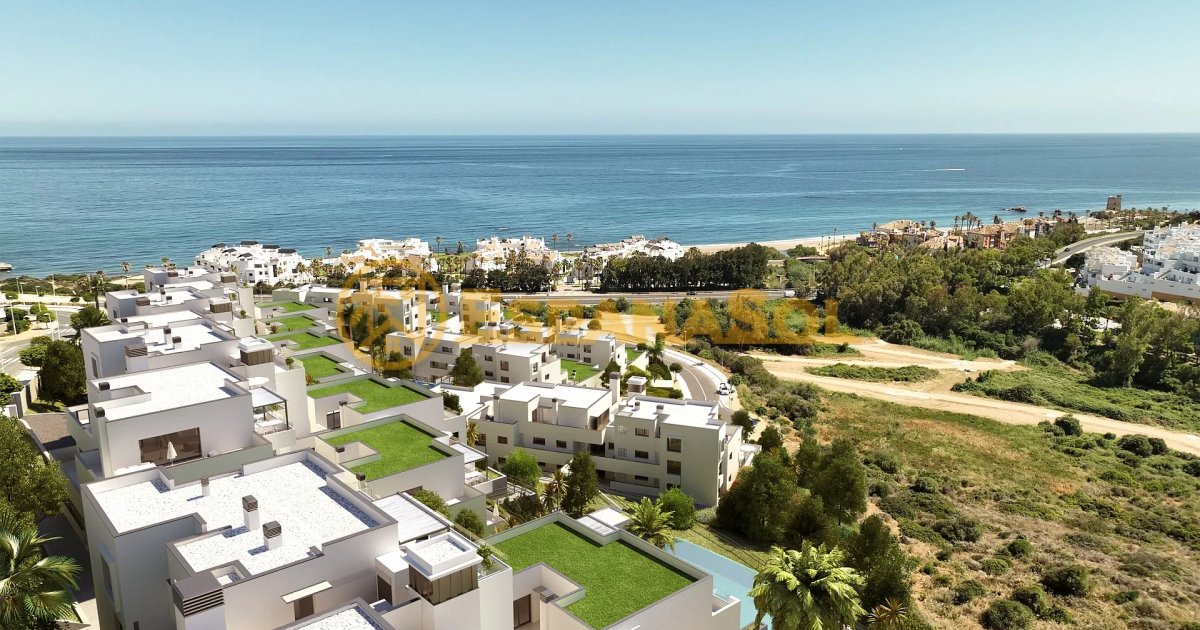
Buying a property under construction has its appeal — staged payments, lower prices, contemporary designs. Many of my clients consider this route. And I get it. But developer risks are real: construction delays, specification changes, permit complications.
How do you protect yourself? Check the developer's track record. Make sure the Licencia de Obra — the building permit — has been issued by the local Ayuntamiento before making any significant payments. And never base your decision solely on marketing materials.
Cortijo — Authenticity at a High Price?
Traditional rural farmhouses have an undeniable charm, there's no denying that. But when a client tells me they want a cortijo, I immediately know we need to have a serious conversation about the risks. Agricultural land restrictions, improper registration, illegal extensions, issues with water supply or sewage, structural damage from age — all of these genuinely happen.
A structural survey and verification of the property's legal status with the local Ayuntamiento are not optional for rural properties. They're absolutely essential.
Due Diligence, Documents and Contracts — Where the Most Expensive Mistakes Happen
Check for Debts Before You Sign Anything
Due diligence sounds technical, but it comes down to one simple thing: checking that the property you're buying doesn't have hidden problems. In Spain, when you buy a property, you can inherit its outstanding liabilities — unpaid taxes, debts to the community of owners, unsettled utility bills.
To check a property's debt status in Spain, you need an up-to-date land registry extract (Nota Simple), a certificate from the owners' community confirming no outstanding debts, and confirmation that local IBI taxes and utility bills are paid up. You'll also need to verify legal ownership, planning classification, the energy certificate, and the certificate of occupancy.
Title Deeds, VPO Properties and Contracts — Three Traps in One Place
The title deed, or Escritura Pública, is the official document confirming you're the legal owner. Problems arise when what's recorded in the deed doesn't match reality — because someone once built a terrace or knocked down a wall and never registered it. Unregistered modifications can block a future sale or mortgage application. This is why the land registry records must match the actual structure of the property.
If the low price of a VPO property — government-subsidised housing — tempts you, be aware that these come with strict restrictions: a capped resale price, limitations or outright bans on renting it out, and a requirement to use it as your primary residence. This is not the right investment for anyone who values flexibility.
And then there are contracts. Reservation agreements and private purchase contracts in Spain are legally binding. In most cases, the deposit is around 10% of the purchase price. If you pull out without valid legal grounds, you lose it. The language barrier can mean you end up signing something you don't fully understand. An independent lawyer to review or translate the contract isn't an unnecessary expense. It's your safety net.
Do You Really Need a Lawyer?
Spanish law doesn't require you to hire a lawyer when buying property. The notary ensures the transaction is legally sound — but they don't represent your interests and don't carry out detailed checks on your behalf.
An independent lawyer is someone who will check the land and cadastral registries, review the community meeting minutes, confirm the debt-free certificate, analyse rental regulations if you're buying as an investment, and help you avoid decisions made under market pressure.
Every client of mine who has regretted a purchase skipped that one step.
Contact me on WhatsAppquick reply, no obligations
The Spanish property market is a good one. The ownership system works, the buying process is transparent, and — if you approach it with your eyes open — you really can feel confident. But that confidence needs to come before you sign, not after. If you have any questions, drop me a message — after years of guiding clients through property purchases in Spain, I've learnt that the best decisions are made in a calm conversation, before the time pressure kicks in.